Created by The Lockward Collective. EarthNest was commissioned by Berlin Global Village, 2024
The Lockward Collective
Our work has a Decolonial orientation which means, first and foremost, that we engage in processes of healing, repair and relationality. We think and work across various disciplines and media. Our work seeks ways to mourn what has been lost by the colonial system, to do justice to our ancestors and to honor the souls of those violently erased by the modern/colonial system.
For us, the emphasis is on those who have been marginalized by the system. The fighters who have sacrificed and continue to sacrifice their lives to defend territories, waters and mother Earth; to safeguard their ancestral memories. We like to come into contact with communities and let them determine what is needed for them to start a process of healing. Our artistic practice is for us an act of reciprocity. It is our sensitive and spiritual approach that has made Earth Nest to be chosen for its realization at Berlin Global Village in Berlin by an international jury. Earth Nest is a 'living' monument, which means we believe it can have a deep and long-lasting healing effect for descendants of those colonized and their diasporic communities.
We founded the Lockward collective in honor of Dominican decolonial thinker and curator Alanna Lockward. She was the driving force behind BE.BOP (BLACK EUROPE BODY POLITICS), a pathbreaking decolonial curatorial initiative. Lockward’s sudden death left a deep mark in our souls and we have dedicated our collective to her legacy.
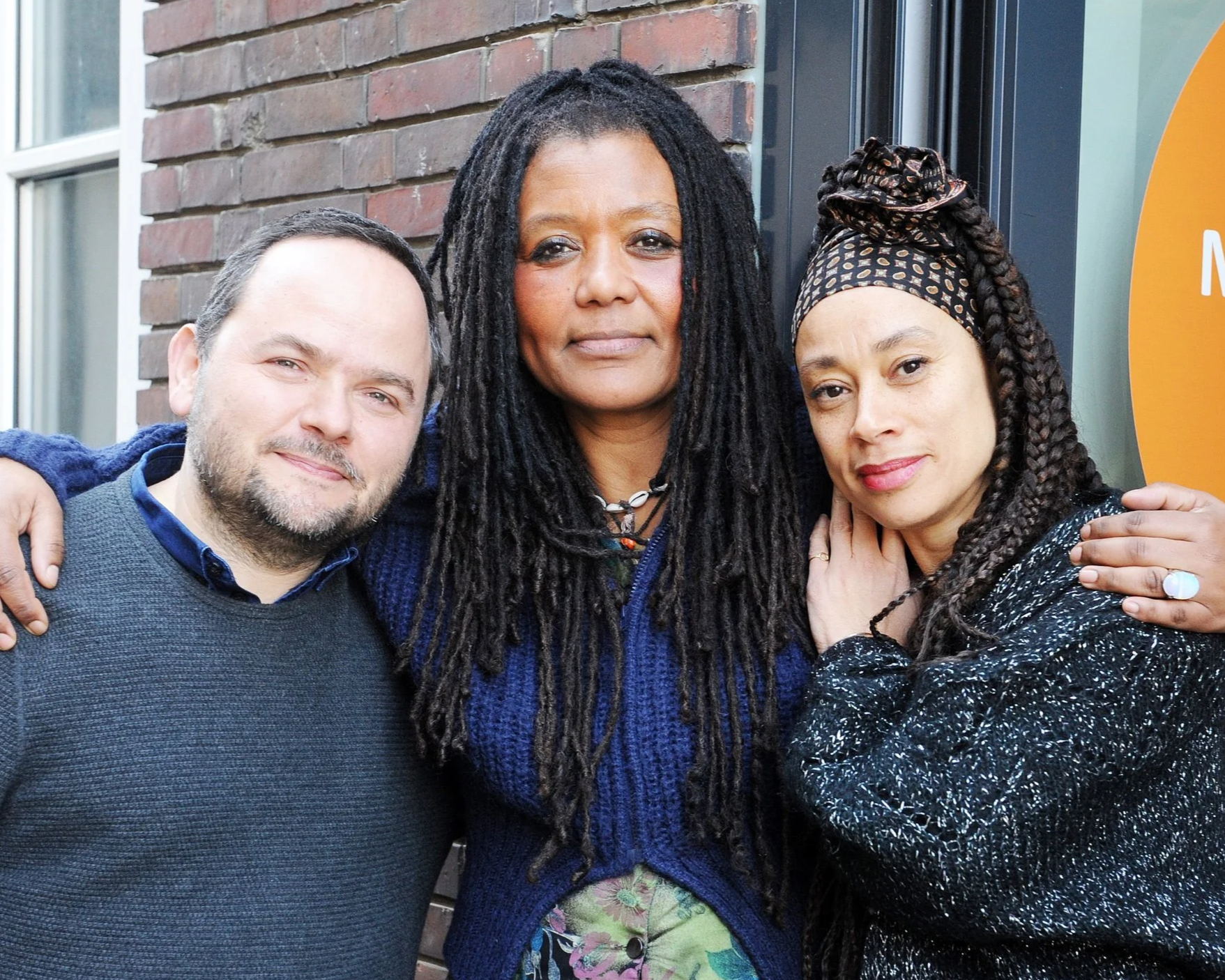
Rolando Vàzquez , patricia kaersenhout and Jeannette Ehlers
EarthNest
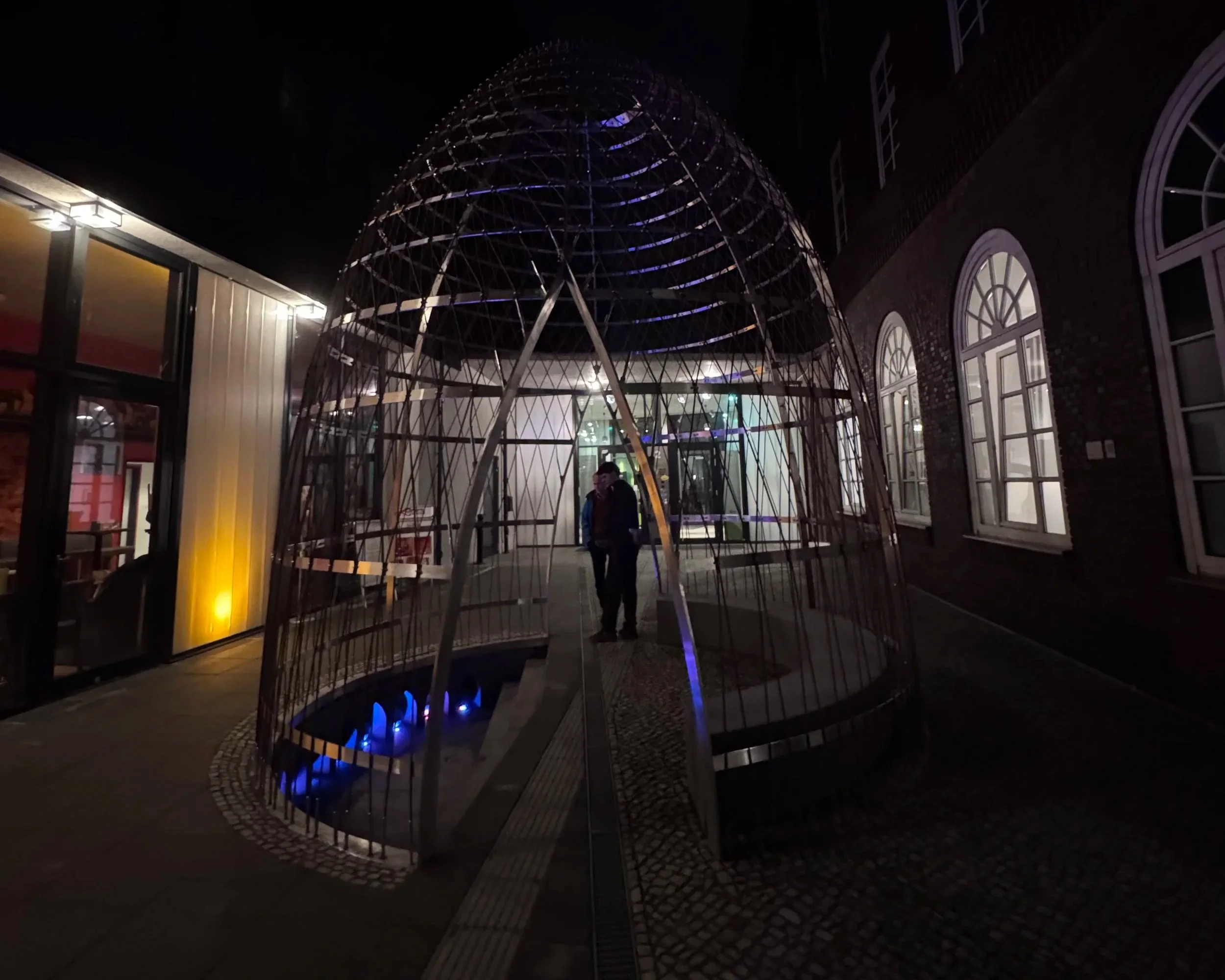
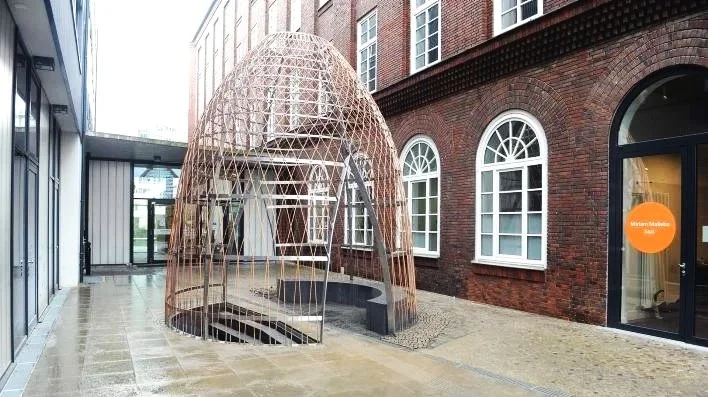
EarthNest is a work of decolonial healing and hope; a communal monument that reconnects memories fragmented by colonial histories.
In the underground section of the monument, soils from former and present colonial territories are placed in earthen vessels that hold both ancestral memory and the seeds of renewal.
These soils are contributed by communities from the diaspora and held in traditional earthenware jars, each situated in its own illuminated niche.
Its woven structure, inspired by Musgum architecture and African weaver birds, links earth and sky, creating a space for gathering between ancestrality and the present. Partly underground and open to light and air, the work challenges Western monumental traditions of power and hierarchy, proposing instead a living, relational form of remembrance.
As a shared monument, EarthNest centers diasporic voices and collective memory, pointing toward futures where many worlds can coexist and flourish together